

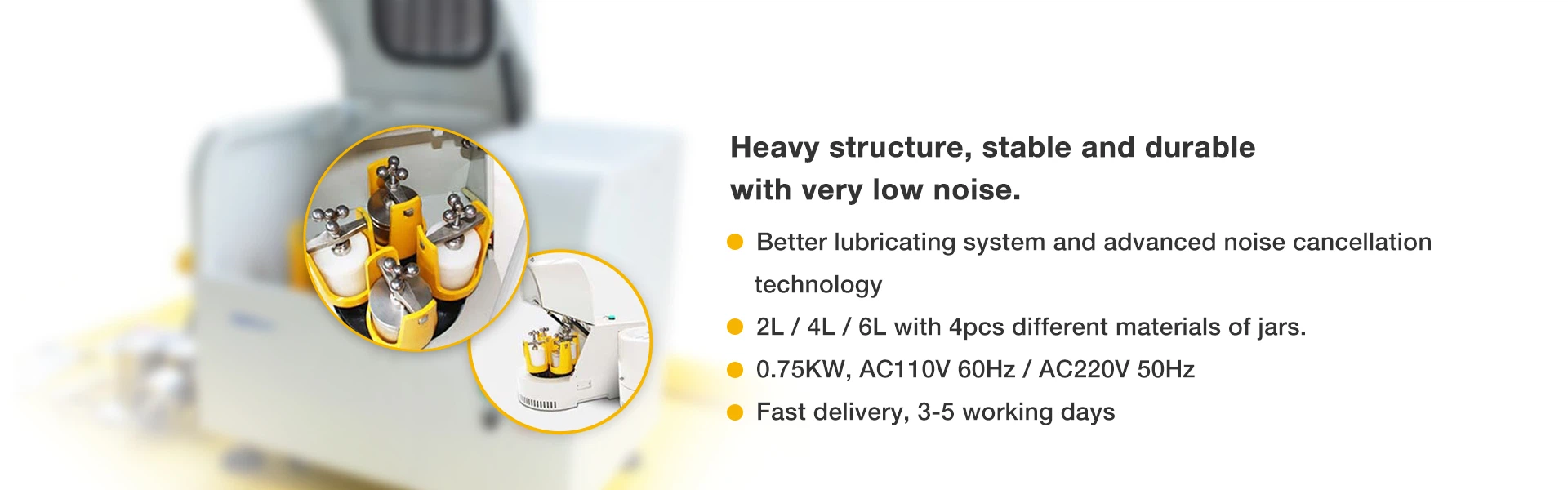
how do you ball mill cerium oxide powder
Apr 24, 2024
Ball milling cerium oxide (also known as ceria or CeO2) powder involves grinding and blending the cerium oxide particles with suitable grinding media in a ball mill to achieve the desired particle size, distribution, and properties. Cerium oxide is a versatile material with applications in catalysis, fuel cells, polishing compounds, and electronic devices. Here's a step-by-step guide on how to ball mill cerium oxide powder:
Materials and Equipment:
Cerium oxide (CeO2) powder
Grinding media (e.g., ceramic balls, alumina balls, or zirconia balls)
Ball mill
Milling jar or container
Milling media (e.g., isopropanol or ethanol)
Procedure:
Preparation of Cerium Oxide Powder:
Ensure that the cerium oxide powder is dry and free from contaminants or impurities.
If the cerium oxide powder is not finely ground, it may be necessary to pre-grind or sieve the powder to achieve the desired particle size distribution.
Loading the Ball Mill:
Place the cerium oxide powder and grinding media (balls) into the milling jar or container in the desired ratio.
The ratio of grinding media to cerium oxide powder can vary depending on the desired milling efficiency, particle size reduction, and specific application requirements.
Sealing and Milling:
Ensure that the milling jar or container is securely sealed to prevent leakage or spillage during milling.
Place the sealed milling jar or container in the ball mill and start the milling process.
Milling Parameters:
Adjust the milling speed, time, and ball-to-powder ratio based on the desired particle size, distribution, and milling efficiency.
Monitor the milling process regularly to check the progress and ensure consistent and uniform milling of the cerium oxide powder.
Sample Collection and Analysis:
After milling for the desired duration, stop the ball mill and carefully remove the milling jar or container.
Open the milling jar or container and collect the milled cerium oxide powder using a spatula or scraper.
Analyze the milled cerium oxide powder to determine the particle size distribution, morphology, and other properties using techniques such as laser diffraction, scanning electron microscopy (SEM), X-ray diffraction (XRD), and surface area analysis.
Post-Milling Treatment (Optional):
Depending on the specific application or requirements, the milled cerium oxide powder may undergo post-milling treatments, such as annealing, drying, or surface modification, to enhance its properties or stability.
Safety Precautions:
Always wear appropriate personal protective equipment (PPE), including safety glasses, gloves, and a lab coat, when handling and milling cerium oxide powder.
Work in a well-ventilated area to minimize exposure to airborne particles and dust.
Follow the manufacturer's instructions and safety guidelines for the ball mill and milling process to ensure safe and efficient operation.
Notes:
The efficiency and effectiveness of ball milling cerium oxide powder depend on various factors, including the milling parameters, equipment design, grinding media type, and initial particle size and morphology of the cerium oxide powder.
Optimization of the ball milling process and parameters may be required to achieve the desired particle size, distribution, and properties of the milled cerium oxide powder for specific applications.
In summary, ball milling is a versatile and effective method for grinding and refining cerium oxide powder to achieve the desired particle size, distribution, and properties suitable for various applications in catalysis, fuel cells, polishing compounds, and electronic devices. Proper preparation, milling parameters, and safety precautions are essential to ensure successful and efficient ball milling of cerium oxide powder.


