

how long should i ball mill my black powder
Apr 28, 2024
The duration for ball milling black powder can vary based on several factors:
Particle Size: The initial particle size of the ingredients used to make black powder (such as potassium nitrate, charcoal, and sulfur) can affect the milling time. Finer starting materials may require less time to achieve the desired particle size.
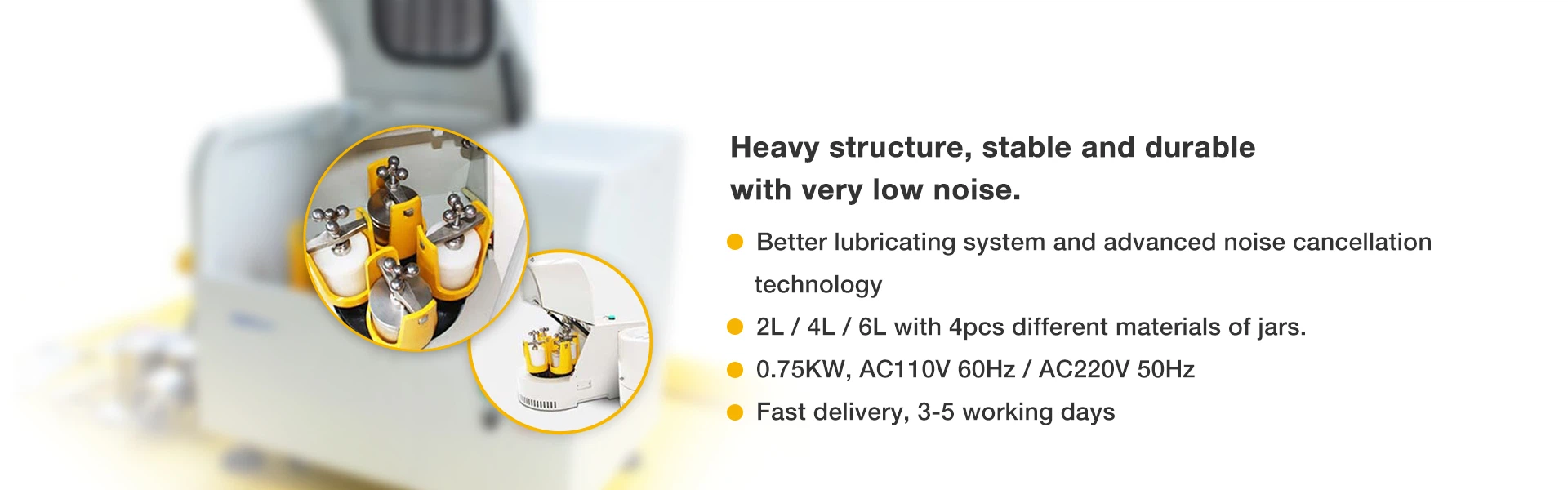
Ball Milling Setup: The type and size of the ball mill being used can influence the milling time. Factors such as the size and type of grinding media, the speed of rotation, and the design of the mill can all impact the milling process.
Ball-to-Powder Ratio: The ratio of the mass of milling balls to the mass of black powder ingredients can also affect the milling time and efficiency. Higher ball-to-powder ratios may lead to faster milling but could also result in excessive wear on the milling media.
Desired Fineness: The desired fineness of the final black powder can dictate the milling time required to achieve it. If you're aiming for a very fine powder, you may need to mill for a longer duration to achieve the desired particle size.
Experimental Optimization: It's common to conduct milling experiments with varying parameters to optimize the milling time and conditions for black powder production. This may involve milling the black powder for different durations and analyzing the resulting properties to determine the optimal milling time.
As a general guideline, the milling time for black powder can range from several hours to overnight, depending on the specific parameters and requirements of your application. It's important to monitor the milling process closely and adjust the milling time as needed to achieve the desired fineness while avoiding over-milling or other undesirable effects. Additionally, ensure that proper safety precautions are followed when handling and milling black powder due to its explosive nature.


