how to design a ball mill
May 08, 2024
Designing a ball mill involves several steps and considerations to ensure the final product meets the desired specifications. Here's a general guide on how to design a ball mill:
Define Requirements:
Determine the purpose of the ball mill (e.g., grinding, mixing, homogenizing).
Specify the material to be processed and its properties (e.g., hardness, abrasiveness, size distribution).
Select Mill Type:
Choose the appropriate type of ball mill based on the requirements and material properties.
Common types include:
Overflow ball mills
Grate discharge ball mills
Continuous ball mills
Batch ball mills
Determine Mill Size:
Calculate the required dimensions of the ball mill based on the desired capacity, throughput, and product size.
Consider factors such as the volume of material to be processed, the residence time, and the available space for installation.
Select Mill Components:
Choose suitable materials and components for the construction of the ball mill, including:
Mill shell: Material, thickness, and design (e.g., cylindrical, conical).
Liners: Type, material, and configuration (e.g., rubber, steel, composite).
Drive system: Motor size, speed reducer, and transmission mechanism (e.g., gear, belt).
Bearings: Type and arrangement (e.g., trunnion bearings, slide bearings).
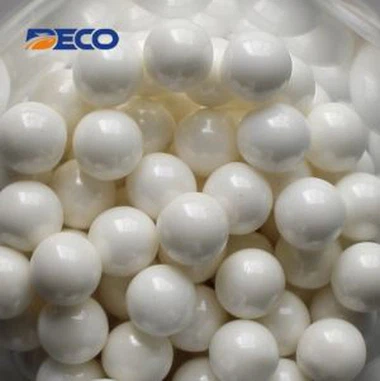
Grinding media: Type, size, and material (e.g., steel balls, ceramic balls).
Design Mill Structure:
Determine the structural design of the ball mill to ensure stability, strength, and rigidity.
Consider factors such as the weight of the mill, external loads, and dynamic forces during operation.
Calculate Power Requirements:
Estimate the power consumption of the ball mill based on the required grinding energy and efficiency.
Consider factors such as motor efficiency, transmission losses, and auxiliary equipment.
Design Control System:
Specify the control system for the ball mill, including:
Instrumentation (e.g., sensors, transmitters)
Control strategy (e.g., PID control, model predictive control)
Human-machine interface (e.g., control panel, software interface)
Perform Safety Analysis:
Identify potential hazards associated with the operation of the ball mill.
Implement safety measures to mitigate risks, such as emergency stops, interlocks, and protective enclosures.
Prototype and Testing:
Build a prototype of the ball mill based on the design specifications.
Conduct testing and validation to ensure the performance, reliability, and safety of the mill.
Optimization and Iteration:
Evaluate the performance of the ball mill and identify areas for improvement.
Iterate the design based on feedback and optimization techniques to achieve the desired objectives.
By following these steps, you can design a ball mill tailored to your specific requirements and applications. Collaboration with experts in mechanical engineering, materials science, and process engineering may be beneficial to ensure the success of the design process.