

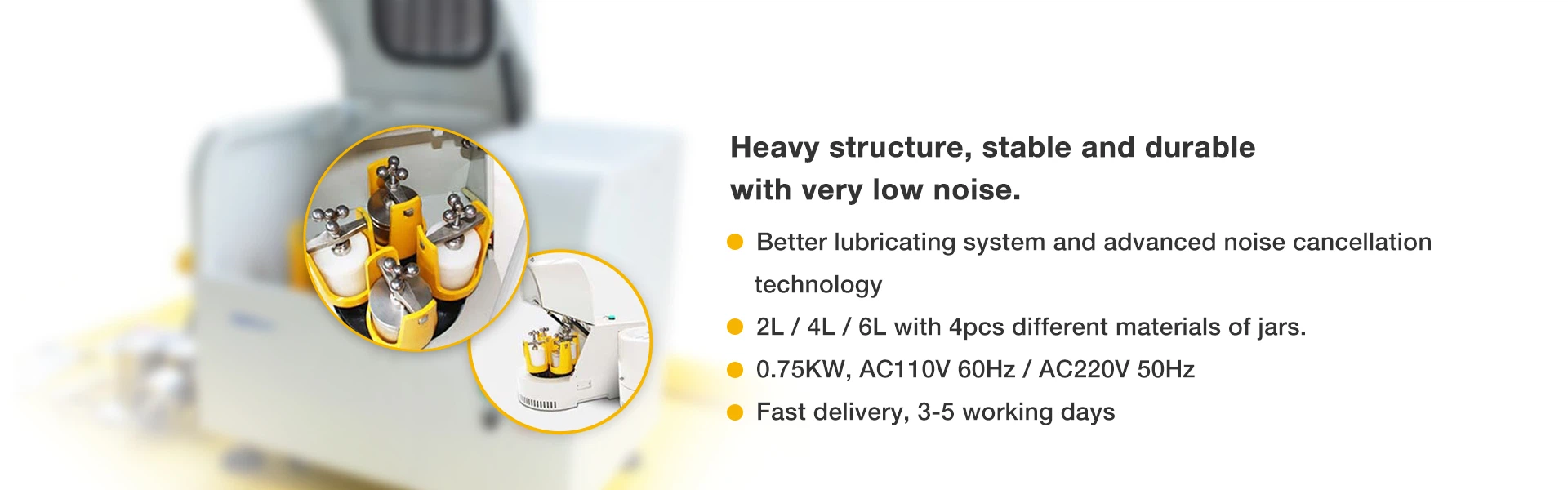
do hdpe jars contaminate samples ball milling
May 17, 2024
High-Density Polyethylene (HDPE) jars are commonly used in ball milling applications due to their chemical resistance, durability, and low cost. However, like any material, there is a potential risk of contamination, especially in sensitive applications such as ball milling where samples may be subjected to mechanical stress and abrasion. Here's a breakdown of the contamination risks and factors to consider:
Potential Contamination Sources:
Residual Chemicals: HDPE jars may contain residual chemicals from manufacturing processes, which could leach into the milled samples, especially under harsh conditions such as high temperatures or acidic/alkaline environments.
Wear and Tear: During ball milling, the jars and grinding media undergo mechanical stress and abrasion, leading to the generation of particles and debris that may contaminate the samples. This contamination can be exacerbated if the jars or grinding media are worn or damaged.
Compatibility with Sample: Certain samples may interact with HDPE material, leading to leaching of chemicals or contamination. This is particularly relevant for samples sensitive to organic compounds or additives commonly found in plastics.
Factors Influencing Contamination:
Milling Conditions: Parameters such as milling duration, speed, and temperature can influence the extent of contamination. Prolonged milling or high-speed milling may increase the likelihood of contamination due to greater mechanical stress and wear.
Sample Sensitivity: Some samples are more susceptible to contamination than others. Sensitive samples may require specialized milling jars or precautions to minimize contamination risks.
Precautionary Measures: Proper cleaning and handling procedures before and after milling can help mitigate contamination risks. This includes thorough cleaning of jars and grinding media, as well as using protective measures to prevent sample contamination during handling.
Mitigation Strategies:
Preconditioning: Before use, it's advisable to "condition" the jars by running a blank milling process (without samples) to remove any potential contaminants from the jars and grinding media.
Use of Liners: Inserting inert liners or coatings inside the HDPE jars can provide an additional barrier against contamination, especially for sensitive samples.
Regular Inspection: Periodic inspection of jars and grinding media for signs of wear or damage can help identify potential contamination sources early and prevent their escalation.
Alternative Materials: For highly sensitive samples, consider using alternative milling jars made from materials such as stainless steel, alumina, or zirconia, which offer higher chemical resistance and lower contamination risks.
Conclusion:
While HDPE jars are commonly used in ball milling applications due to their affordability and chemical resistance, there is a potential risk of contamination, especially for sensitive samples or under harsh milling conditions. By understanding the potential contamination sources and implementing appropriate mitigation strategies, it's possible to minimize contamination risks and ensure the integrity of milled samples.


