

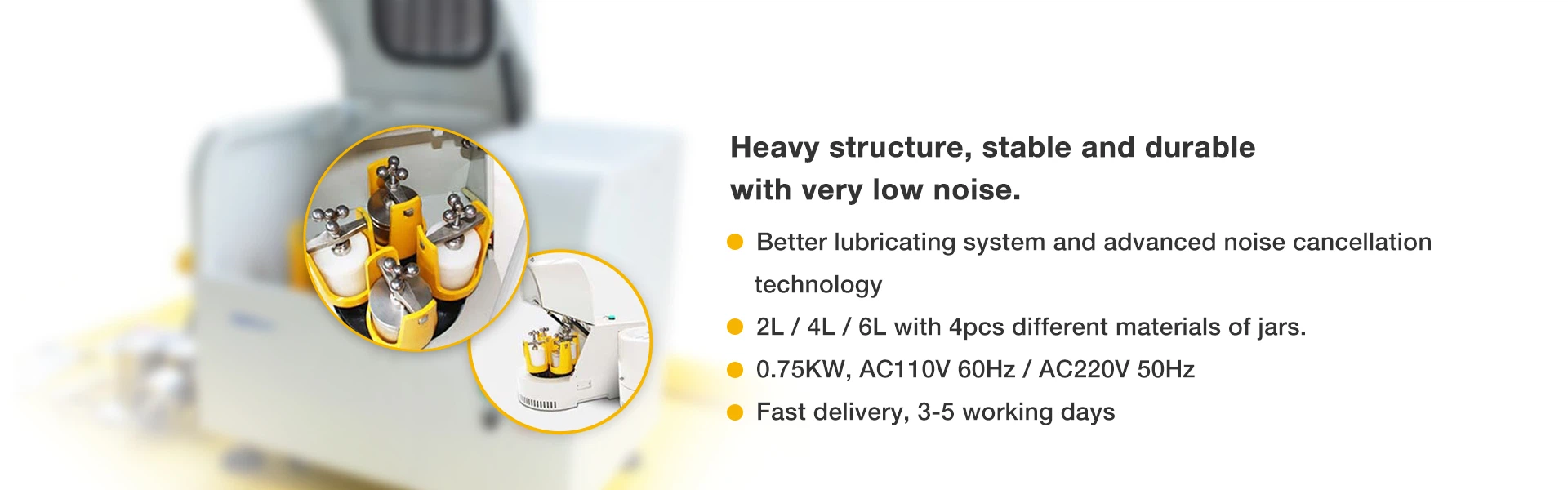
how it works ball mill
Apr 28, 2024
Certainly! Let's delve into how a ball mill works:
Loading: Raw materials, such as ores or other substances, are loaded into the cylindrical drum of the ball mill. Along with the materials, grinding media, usually steel balls or ceramic balls, are added to aid in the grinding process.
Rotation: The cylindrical drum of the ball mill is set into rotation either horizontally or at a slight angle to the horizontal. This rotation causes the grinding media and the materials to cascade, tumbling within the drum.
Impact and Friction: As the drum rotates, the grinding media cascade and collide with the materials inside the drum. The kinetic energy of the grinding media leads to impact and friction, effectively crushing and grinding the materials into finer particles.
Reduction of Particle Size: The continuous impact and grinding action lead to a reduction in the size of the materials being processed. The grinding action continues until the desired particle size is achieved, or until the materials are sufficiently ground.
Separation: Inside the ball mill, there may be mechanisms for separating the ground material from larger particles that haven't been fully ground. This could involve screens or classifiers to separate finer particles from coarser ones.
Discharge: Once the materials have been ground to the desired size, they are discharged from the ball mill. The ground material may be collected in a container or further processed depending on the application.
Control and Optimization: Various factors, such as the speed of rotation, the size and type of grinding media, the material being processed, and the desired fineness of the product, can affect the performance of the ball mill. Control systems are often employed to regulate these parameters and optimize the grinding process for efficiency and product quality.
Overall, a ball mill is a versatile and efficient machine for grinding and blending materials. It finds applications in various industries including mining, construction, ceramics, and pharmaceuticals, where finely ground materials are required.


