how many types of ball mill
Apr 28, 2024
There are several types of ball mills designed for different applications and processing requirements. Here are some common types:
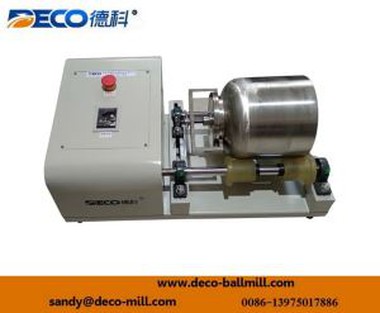
1,Horizontal Ball Mills: These ball mills have a horizontal orientation, with the drum lying horizontally on its side. They are typically used for grinding materials in mineral processing, ceramics, and chemical industries.
2,Vertical Ball Mills: In contrast to horizontal ball mills, vertical ball mills have a vertical orientation, with the drum positioned vertically. They are often used for fine grinding and mixing of materials in industries such as pharmaceuticals and cosmetics.
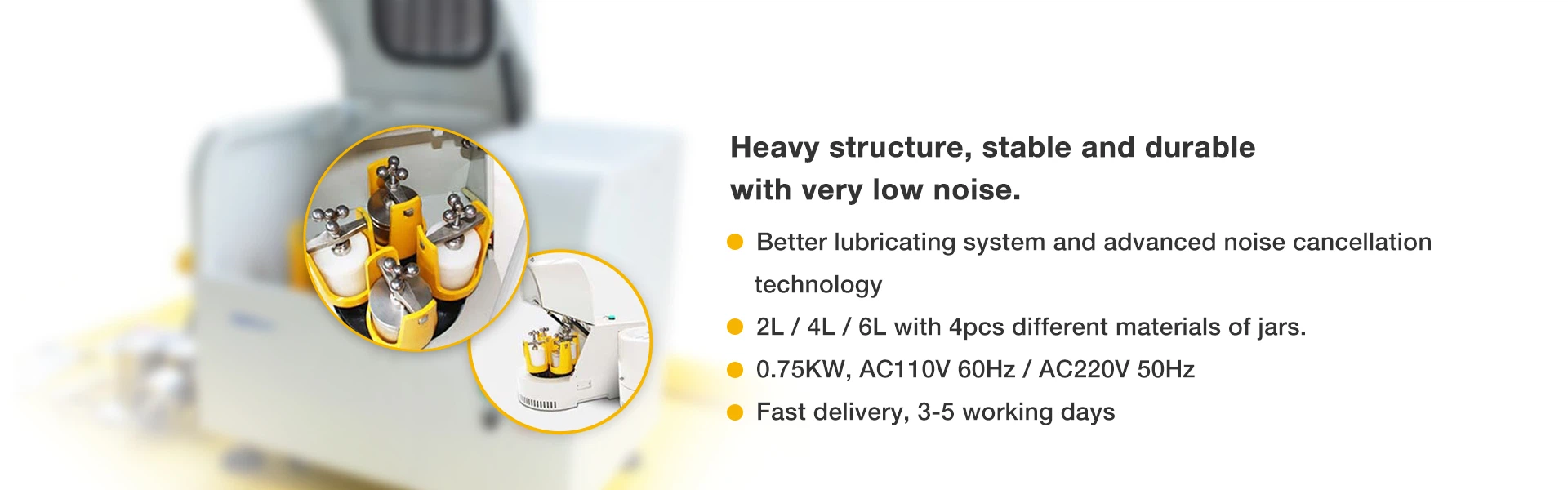
3,Planetary Ball Mills: Planetary ball mills consist of several grinding jars mounted on a rotating platform (the sun wheel). The jars revolve around their own axis while rotating around the sun wheel, resulting in a more efficient grinding process. They are often used for high-energy milling and nanoparticle synthesis.
4,Ball Mills with Discharge Grates: Some ball mills are equipped with discharge grates at the end of the drum, allowing for controlled discharge of the ground material. This type of mill is commonly used in the mining industry for grinding ores and in the cement industry for grinding clinker.
5,Ball Mills with Overflow Discharge: In contrast to discharge grates, overflow discharge ball mills have a discharge mechanism that allows the ground material to overflow from the mill, typically through a trunnion at the end of the drum. They are commonly used in mineral processing applications.
6,Batch Ball Mills: Batch ball mills are designed for intermittent operation, with the material being loaded into the mill, milled for a certain duration, and then unloaded. They are often used for laboratory or small-scale production applications.
7,Continuous Ball Mills: Continuous ball mills operate continuously, with the material being fed into the mill at one end and discharged at the other end. They are suitable for large-scale production applications requiring continuous operation.
Each type of ball mill has its own advantages and limitations, and the choice of mill depends on factors such as the specific application, processing requirements, and desired outcome.