

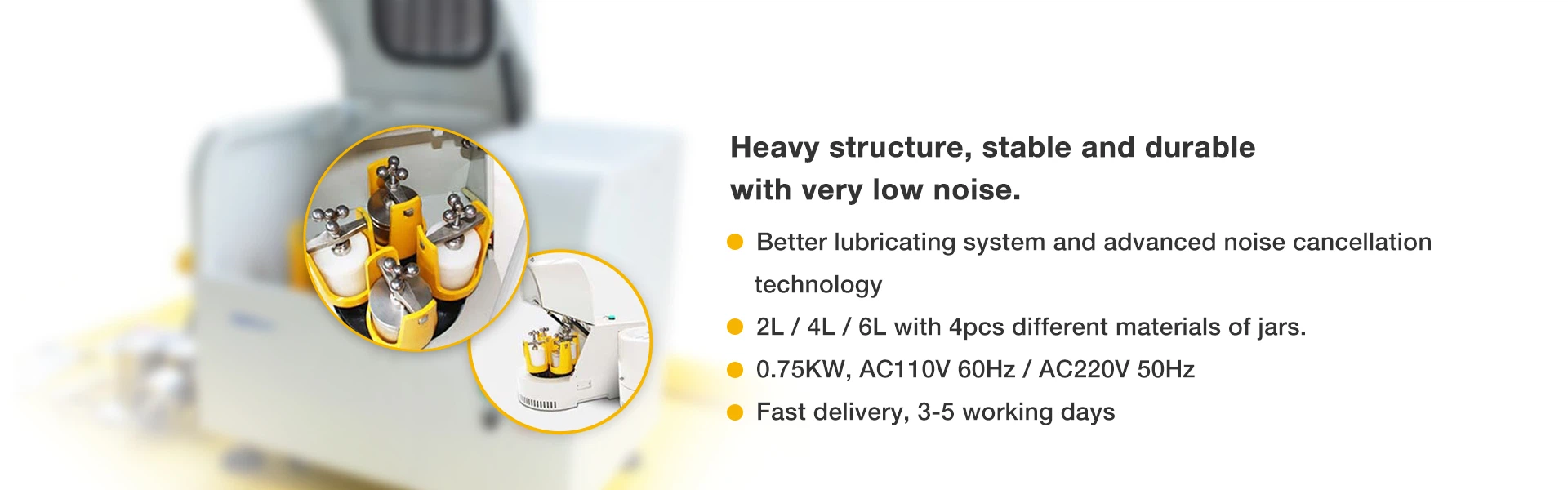
how to make a planetary ball mill
May 09, 2024
Making a planetary ball mill is a bit more complex compared to a standard ball mill, as it involves additional mechanisms to create the planetary motion of the milling chamber. However, it's still achievable with the right materials and tools. Here's a simplified guide to help you get started:
Materials Needed:
A cylindrical container (such as a large can or plastic container)
Two metal rods or dowels (to act as axles)
A wooden or metal rod (for the drive shaft)
Grinding media (steel balls, ceramic balls, or similar)
Planetary gears or gears with appropriate ratios
Bearings or bushings
Power source (motor or hand crank)
Fasteners (screws, bolts, nuts)
Steps:
Select the Container: Choose a cylindrical container that is suitable for planetary motion milling. The material should be durable and resistant to chemicals. Ensure it's clean and free of any contaminants that might affect the milling process.
Prepare the Container: Clean and dry the cylindrical container. Ensure it's clean and free of any contaminants that might affect the milling process.
Drill Holes for Axles: Use a drill to make two holes near the edges of the container, opposite each other. These holes should be large enough to fit your metal rods or dowels.
Prepare the Axles: Cut two metal rods or dowels to the desired length for your axles. These should be long enough to extend through the container with some space to spare on each side.
Install the Axles: Insert the metal rods or dowels through the holes in the container. Ensure they fit snugly and are parallel to each other.
Prepare the Drive Shaft: Cut a wooden or metal rod to the desired length for your drive shaft. This should be long enough to extend through the container and connect to the motor or hand crank.
Attach the Drive Shaft: Insert the drive shaft through the center of the container, perpendicular to the axles. Secure it in place using fasteners such as screws or bolts.
Add Planetary Gears: Attach the planetary gears to the axles, ensuring they mesh properly with each other. The number and arrangement of gears will depend on the desired planetary motion.
Add Grinding Media: Place the steel balls, ceramic balls, or similar grinding media inside the container. Fill the container to about halfway full, leaving enough space for the material you want to mill.
Power the Mill: Attach the motor or hand crank to the drive shaft. If using a motor, connect it to a power source. Turn on the motor or crank to rotate the mill. Monitor the milling process closely.
Test and Adjust: Monitor the milling process and adjust the speed or other parameters as needed to achieve the desired milling results.
Use Caution: Always wear appropriate safety gear when operating machinery. Keep hands and loose clothing away from moving parts, and be cautious when handling grinding media.
By following these steps, you should be able to create a functional planetary ball mill for milling various materials. Adjustments and modifications may be needed based on your specific requirements and available materials.


