can you ball mill black powder
Apr 24, 2024
Ball milling is a common method used to produce black powder, a mixture of potassium nitrate (KNO3), charcoal, and sulfur. Here are some guidelines and precautions to consider when ball milling black powder:
Safety Precautions:
Always wear appropriate personal protective equipment (PPE), including safety glasses, gloves, and a lab coat.
Work in a well-ventilated area to minimize exposure to dust and fumes.
Keep a fire extinguisher nearby and be prepared to deal with potential fires or explosions, as black powder can be highly flammable and explosive.
Milling Media:
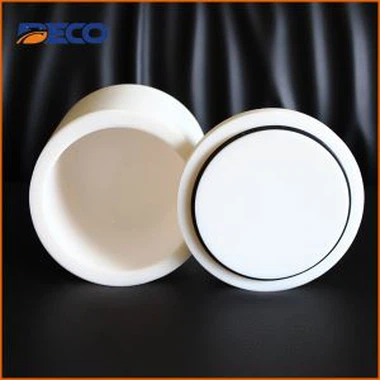
Use non-sparking milling media like ceramic balls or lead balls (lead is traditional but poses health risks) to prevent accidental ignition.
Avoid using steel balls or any other ferrous materials, as they can spark and ignite the black powder.
Milling Parameters:
Optimize milling speed, time, and ball-to-powder ratio based on your specific requirements and desired particle size.
Monitor the milling process regularly to ensure consistent results and prevent over-milling.
Mixing Ingredients:
Before milling, thoroughly mix the potassium nitrate, charcoal, and sulfur to ensure a homogeneous mixture.
Some people also add small amounts of dextrin or other binders to improve the consistency and performance of the black powder.
Handling and Storage:
Handle milled black powder carefully to avoid static discharge and ignition.
Store black powder in airtight containers in a cool, dry place to prevent moisture absorption and oxidation.
It's crucial to follow these guidelines carefully to ensure safe and effective ball milling of black powder. Improper handling or milling can lead to accidents, fires, or explosions. Always prioritize safety when working with black powder or any other explosive materials.