

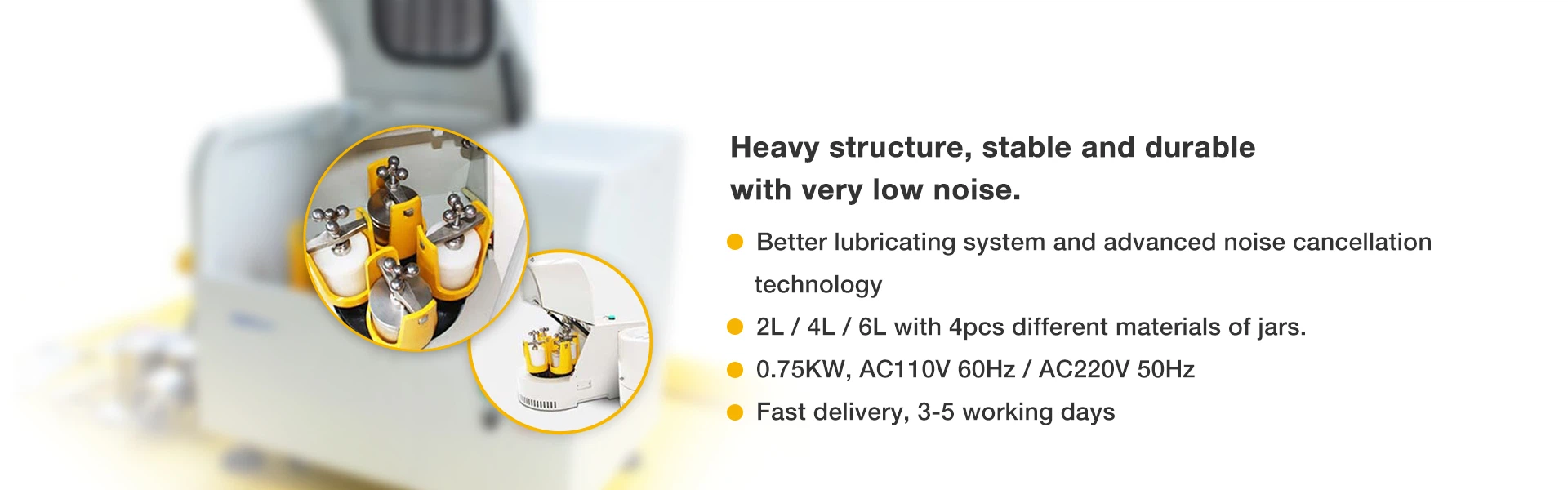
how does a ball mill crusher work
Apr 24, 2024
A ball mill operates on the principle of impact and attrition. It consists of a rotating cylindrical shell filled with grinding media (such as balls) and the material to be crushed or ground. As the cylinder rotates, the grinding media and the material inside the mill are lifted up and then dropped or impacted by the falling balls, causing the material to be crushed, ground, and reduced in size. Here's a detailed explanation of how a ball mill crusher works:
Loading and Grinding Media:
The material to be crushed or ground is introduced into the ball mill along with grinding media (usually steel balls or ceramic balls).
The ball mill cylinder rotates around its horizontal axis, causing the grinding media and material to move and impact each other.
Impact and Attrition:
As the grinding media and material inside the ball mill collide and interact, the material is crushed, ground, and reduced in size due to impact and attrition forces.
The grinding media also grind and crush each other, contributing to the size reduction process.
Size Reduction and Particle Size Distribution:
The size reduction and grinding process continue as the grinding media and material are continuously lifted and dropped by the rotating cylinder.
The grinding efficiency and particle size distribution depend on various factors, including the speed of rotation, size and type of grinding media, material feed rate, and specific energy input.
Discharge and Separation:
The ground material and grinding media are discharged from the ball mill through a discharge grate or opening at the end of the mill.
The ground material is typically collected in a collection container or transferred to another process or equipment for further processing, classification, or separation.
Advantages of Ball Mill Crusher:
High Efficiency: Ball mill crushers are efficient grinding machines capable of reducing materials to fine powders with high grinding efficiency and energy efficiency.
Versatility: Ball mill crushers can grind a wide range of materials, including ores, minerals, chemicals, ceramics, and more, adapting to different feed compositions, hardness, and abrasiveness.
Control and Optimization: Ball mill crushers offer control and flexibility in the grinding process, allowing optimization of various parameters, such as grinding media size and type, speed of rotation, material feed rate, and specific energy input, to achieve the desired particle size, distribution, and product quality.
Scale-Up and Scalability: Ball mill crushers can be easily scaled up or down to accommodate different production capacities, applications, and requirements.
Applications:
Mining and Minerals: Ball mill crushers are widely used in the mining and minerals industry for grinding ores, minerals, and other materials to produce fine powders or slurries for further processing, concentration, and extraction of valuable minerals.
Ceramics and Materials: Ball mill crushers are employed in the ceramics and materials industry for grinding and blending materials, producing fine powders, and preparing ceramic pastes, glazes, and compositions.
Chemicals and Pharmaceuticals: Ball mill crushers are utilized in the chemical and pharmaceutical industries for grinding, mixing, and blending various chemicals, powders, and formulations.
In summary, a ball mill crusher works by utilizing impact and attrition forces to crush and grind materials inside a rotating cylindrical shell filled with grinding media. The efficiency, performance, and versatility of ball mill crushers make them widely used and essential equipment in various industries for size reduction, grinding, mixing, and preparation of materials and products. Proper operation, maintenance, and optimization of ball mill crushers are essential to ensure reliable and efficient performance, consistent product quality, and safe operation in various industrial applications and processes.


