

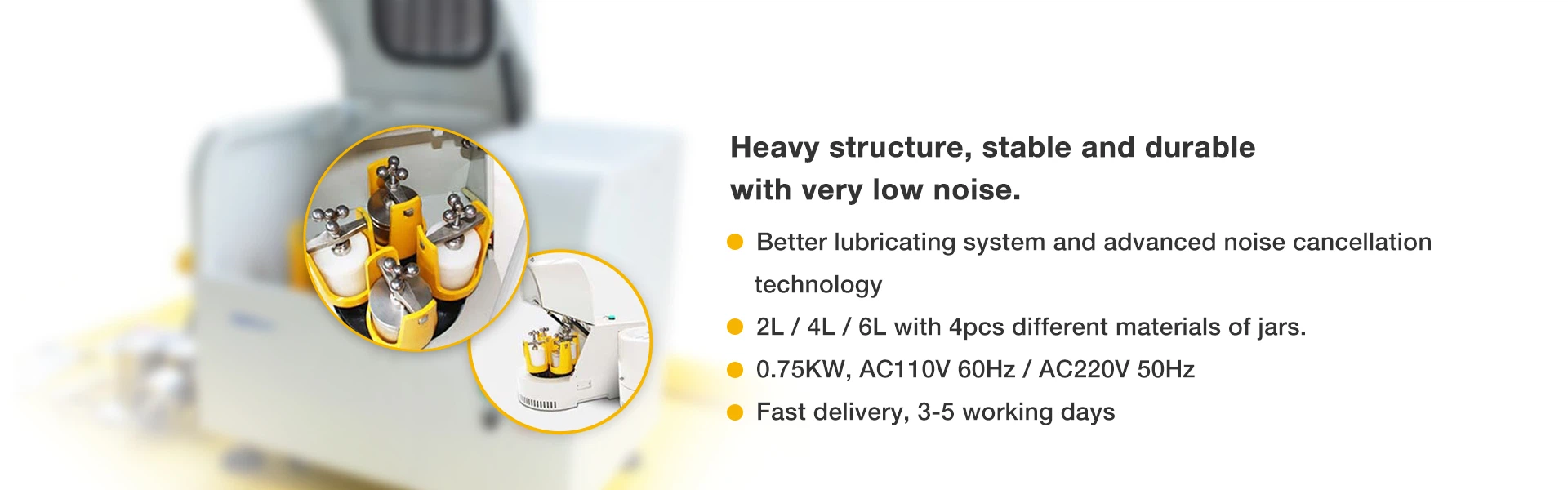
how to ball mill bismuth
May 06, 2024
Ball milling bismuth involves a process similar to ball milling aluminum powder, but there are some specific considerations due to the unique properties of bismuth. Here's a general overview of the process:
Preparation: Gather the necessary equipment and safety gear, including a ball mill, bismuth metal, grinding media (such as steel balls), and appropriate protective equipment.
Loading the Mill: Place the bismuth metal and grinding media into the ball mill. The ratio of bismuth to grinding media can vary, but typically a ratio of around 1:1 (by weight) is suitable.
Mill Operation: Securely close the mill and turn it on. Allow it to run for a predetermined amount of time, usually several hours, to grind the bismuth into a fine powder. The milling time and speed may need to be adjusted depending on the desired particle size and the specific properties of the bismuth.
Monitoring: Periodically check the progress of the milling process to ensure the desired particle size is being achieved. Adjust the milling parameters if necessary.
Cooling: After milling, allow the bismuth powder and mill to cool before handling. Depending on the milling conditions, the bismuth powder may become warm, so exercise caution when handling the material.
Safety Precautions: Bismuth is generally considered less hazardous than other metals, but it's still important to follow proper safety procedures to minimize the risk of accidents. Work in a well-ventilated area, wear appropriate protective gear, and avoid sources of ignition.
Storage: Store the milled bismuth powder in a suitable container to prevent contamination and maintain its quality for future use.
Keep in mind that ball milling bismuth, like any other metal powder, can generate heat and potentially lead to ignition under certain conditions. Therefore, it's crucial to follow safety guidelines and work cautiously to prevent accidents.


