

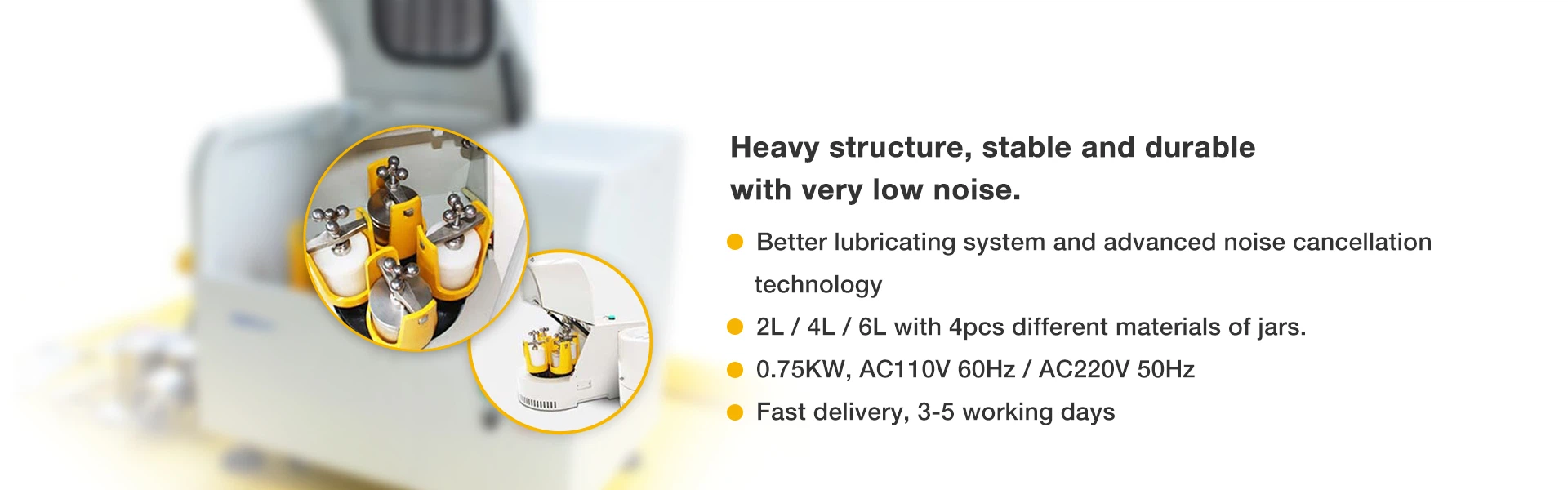
how to avoid galling with ball mill
May 06, 2024
Galling, a form of adhesive wear that occurs when two metal surfaces slide against each other under pressure, can be a concern when using ball mills, especially in applications involving metals or materials prone to galling. Here are some tips to help avoid galling when using a ball mill:
Proper Lubrication: Adequate lubrication is essential to reduce friction and prevent galling. Use a lubricant suitable for the materials being milled and ensure that the lubrication system is functioning correctly.
Select Appropriate Materials: Choose materials for the ball mill components (such as the balls and the milling chamber) that are resistant to galling. For example, stainless steel or hardened alloys may be less prone to galling than softer metals.
Optimize Operating Parameters: Adjust operating parameters such as rotational speed, milling time, and milling media size to minimize friction and wear. Experiment with different settings to find the optimal conditions for your specific application.
Surface Treatments: Consider applying surface treatments to the ball mill components to improve their resistance to galling. For example, coatings or treatments such as nitriding or hardening can help reduce friction and wear.
Regular Maintenance: Keep the ball mill well-maintained by regularly inspecting and cleaning it to remove any debris or contaminants that could contribute to galling. Replace worn components as needed to maintain optimal performance.
Avoid Excessive Loads: Avoid overloading the ball mill, as excessive pressure and friction can increase the risk of galling. Use appropriate milling parameters and avoid excessive feed rates or depths of cut.
Monitor Performance: Monitor the performance of the ball mill regularly to detect any signs of galling or wear. Pay attention to changes in operating conditions or performance indicators and take corrective action as needed.
By following these tips and implementing appropriate measures, you can help minimize the risk of galling when using a ball mill and ensure reliable performance in your milling operations.


