

how to select ball mill
May 10, 2024
Selecting the right ball mill for your specific application involves considering several factors related to your material, desired particle size, throughput requirements, and operational preferences. Here are some key considerations to help you select the appropriate ball mill:
Type of material: Consider the type of material you'll be milling. Different materials have different properties that can affect the choice of ball mill, including hardness, abrasiveness, and chemical reactivity.
Particle size requirements: Determine the desired particle size distribution of the final product. Some ball mills are better suited for fine grinding, while others are more suitable for coarse grinding. Consider the size range of particles you need to achieve and select a mill that can provide the desired results.
Throughput requirements: Estimate the required throughput or production capacity of the mill. This will help you choose the appropriate size and type of mill to meet your processing needs. Larger mills with higher capacities may be required for high-volume production applications.
Operating conditions: Consider the operating conditions in which the mill will be used, including temperature, pressure, and presence of corrosive substances. Choose a mill that can withstand the specific conditions of your application to ensure long-term reliability and performance.
Milling mechanism: Select the appropriate milling mechanism based on your material and desired milling action. Common types of ball mills include:
Batch ball mills: Suitable for small-scale or intermittent milling operations.
Continuous ball mills: Ideal for continuous production with high throughput requirements.
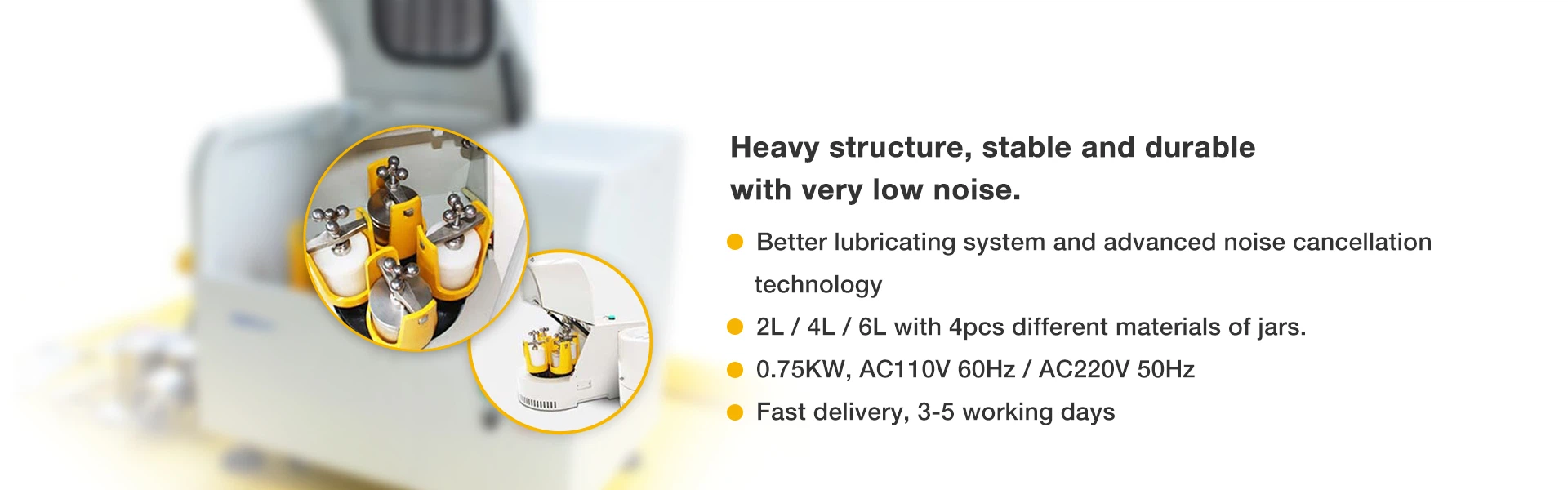
Planetary ball mills: Suitable for ultrafine grinding and mixing of small quantities of material.
Vibratory ball mills: Provide high-energy milling and mixing of materials using vibration.
Cost and maintenance: Consider the initial cost of the mill, as well as ongoing maintenance and operational costs. Choose a mill that offers a good balance between cost and performance, taking into account factors such as energy efficiency and ease of maintenance.
Safety features: Ensure that the selected ball mill has appropriate safety features to protect operators and equipment during operation. This may include safety guards, emergency stop buttons, and safety interlocks.
Manufacturer reputation: Select a reputable manufacturer with a track record of producing high-quality ball mills. Look for manufacturers with expertise in your specific application and industry to ensure you get the best possible solution.
By considering these factors and carefully evaluating your specific requirements, you can select the right ball mill for your application and achieve optimal milling results. If you're unsure about which ball mill to choose, consult with a technical expert or mill manufacturer for personalized guidance and recommendations.


