what is ball mill working principle
May 16, 2024
The working principle of a ball mill is fairly simple, though the exact details can vary slightly depending on the manufacturer and the specific model.
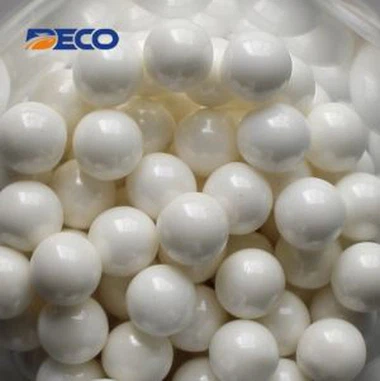
Essentially, a ball mill works by rotating a cylinder filled with grinding media (typically spherical or cylindrical steel balls or rods), which impacts the material being ground as it rotates. The cylinder is usually partially filled with the material to be ground plus the grinding medium.
Here's a breakdown of the basic steps in the ball mill working principle:
Rotation: The cylinder containing grinding media and the material to be ground is rotated around its axis, either horizontally or at a slight angle.
Grinding Media Impact: As the cylinder rotates, the grinding media (balls or rods) cascade and tumble over each other, impacting and grinding the material being fed into the mill. This impact causes the material to break into smaller particles.
Reduction in Size: The continuous grinding action reduces the size of the particles in the material being ground. The grinding media and the material move in a cascading motion, causing further comminution (reduction in particle size).
Discharge: Once the desired particle size is achieved, the ground material is discharged from the mill through a discharge opening at the opposite end of the cylinder.
Control of Process Parameters: Various factors such as the speed of rotation, the size and type of grinding media, the feed rate, and the duration of milling can be adjusted to control the fineness of the final product and optimize the grinding process.
Overall, the ball mill working principle involves the impact and attrition of the grinding media on the material being ground, resulting in the reduction of particle size and the production of fine powders. This principle forms the basis for the operation of most types of ball mills used in various industries for grinding and mixing purposes.